Understanding Fungal Skin Infections: Causes & Relief
Skin health is a crucial component of overall physical well-being. As the body's largest protective organ, the skin acts as an essential barrier against environmental irritants, bacteria, and microscopic elements. However, when microscopic fungi find warm and humid conditions on the skin, they can multiply and lead to common dermatological concerns.
Understanding how these conditions develop is the first step toward effective management and prevention. This educational guide breaks down the underlying causes, common symptoms, prevention strategies, and general treatment options for fungal skin infections.
What are Fungal Skin Infections?
Fungal skin infections happen when certain dermatophytes, yeasts, or molds overgrow on the outer layers of the skin, hair, or nails. While various microscopic fungi live naturally on human skin without causing harm, changes in environment, temperature, or personal hygiene can trigger an imbalance.
Frequent types of superficial skin infections include:
- Ringworm (Tinea Corporis): Characterized by circular, itchy rashes with raised borders and clearer skin in the middle.
- Athlete’s Foot (Tinea Pedis): Affects the skin on the feet, particularly between toes, resulting in peeling, burning, and irritation.
- Jock Itch (Tinea Cruris): Involves the groin and inner thighs, causing chafing, redness, and discomfort.
- Cutaneous Candidiasis: Yeast overgrowths typically appearing in warm skin creases like armpits.
Causes
Fungi thrive in warm, humid surroundings and feed on keratin, a structural protein found in skin tissue. Understanding how these organisms transmit helps reduce exposure risk. Common triggers and transmission routes include:
- Direct Physical Contact: Touching an infected person or handling infected domestic animals.
- Shared Contaminated Items: Using unwashed clothing, towels, bedding, or hairbrushes belonging to someone else.
- Public Facilities: Walking barefoot or using communal gym showers, locker rooms, and pool decks.
- Trapped Moisture: Retaining sweat in tight clothing, synthetic footwear, or skin folds for extended periods.
Symptoms
While presentation varies based on location and specific fungal strains, several symptoms appear consistently across common skin issues:
- Persistent itching, stinging, or burning feelings in the affected region
- Discolored patches of skin (red, pink, brown, or gray depending on skin tone)
- Scaly, flaking, or cracking skin texture
- Circular or ring-shaped rashes with raised edges
- Minor blistering or softened skin breakdown
Risk Factors
Certain environmental factors and personal habits can elevate susceptibility to fungal skin issues:
- Living or working in hot, humid climates
- Managing metabolic conditions such as diabetes
- Using prolonged courses of high-dose antibiotics or corticosteroids
- Wearing tight, non-breathable clothing or closed shoes regularly
- Having a temporarily weakened immune system
Prevention Tips
Establishing consistent daily hygiene practices significantly lowers the likelihood of contracting or spreading skin fungi:
- Dry Thoroughly: Completely dry your skin after bathing, paying careful attention to skin folds and toe spaces.
- Choose Breathable Fabrics: Wear loose-fitting clothes made from natural materials like cotton that facilitate air circulation.
- Use Protective Footwear: Wear sandals or flip-flops in public locker rooms, gyms, and communal pool areas.
- Avoid Sharing Personal Gear: Never share towels, unwashed garments, or athletic equipment.
- Change Out of Damp Clothes: Promptly remove sweaty workout clothing or wet swimwear after physical activity.
Treatment Options
Managing skin fungi generally involves maintaining strict cleanliness alongside targeted topical care:
- Topical Antifungal Formulations: Over-the-counter creams, ointments, and specialized lotions help neutralize dermatophytes and calm local discomfort.
- Hygiene Maintenance: Washing the affected area gently with mild soap and water, followed by complete drying, stops the fungus from spreading.
- Professional Guidance: For widespread or persistent skin concerns, consulting a healthcare professional ensures accurate diagnosis and appropriate prescription treatments.
Important Medical Disclaimer: Always consult a qualified healthcare professional or dermatologist if your skin symptoms are severe, persistent, spreading rapidly, or failing to improve with basic hygiene and care.
Lifestyle Tips
Integrating small adjustments into daily habits supports long-term skin resilience:
- Wash active wear and towels frequently using hot water.
- Alternate your footwear daily to let shoes dry completely.
- Avoid scratching irritated skin to prevent secondary bacterial infections.
- Maintain balanced nutrition to support overall immune function.
Frequently Asked Questions
1. Are fungal skin infections contagious?
Yes, many fungal infections like ringworm and athlete's foot can spread through direct skin contact or shared contaminated items.
2. Can poor hygiene cause fungal infections?
While poor hygiene and trapped moisture create favorable conditions for fungal growth, anyone can contract an infection in public spaces like gyms.
3. Why do fungal skin conditions itch so much?
The intense itching is an inflammatory immune response triggered by the fungus breaking down surface proteins on the skin.
4. How long does a skin fungus take to clear?
Mild superficial infections often improve within a couple of weeks of consistent care, but complete healing depends on severity.
5. Can I use regular body lotion on a fungal rash?
No, standard moisturizers can trap moisture and worsen fungal growth; keep the area clean and dry instead.
6. What is the difference between eczema and a fungal rash?
Eczema is an inflammatory condition linked to immune responses and genetics, whereas fungal infections originate from external microscopic organisms.
7. Can pets transmit fungal infections?
Yes, animals such as cats and dogs can carry dermatophytes like ringworm and pass them to humans through contact.
8. When should I see a doctor for skin rashes?
Consult a healthcare provider if a rash covers large areas, does not improve after two weeks, shows signs of infection, or if you have diabetes.
Conclusion
Understanding the root causes, common symptoms, and preventive measures for fungal skin infections empowers you to protect your personal health. Prioritizing skin hygiene, wearing breathable clothing, and addressing irritations early helps maintain healthy, comfortable skin. Explore additional wellness insights across our platform at medirevpharma.com to support your everyday healthcare journey.
Product Recommendation
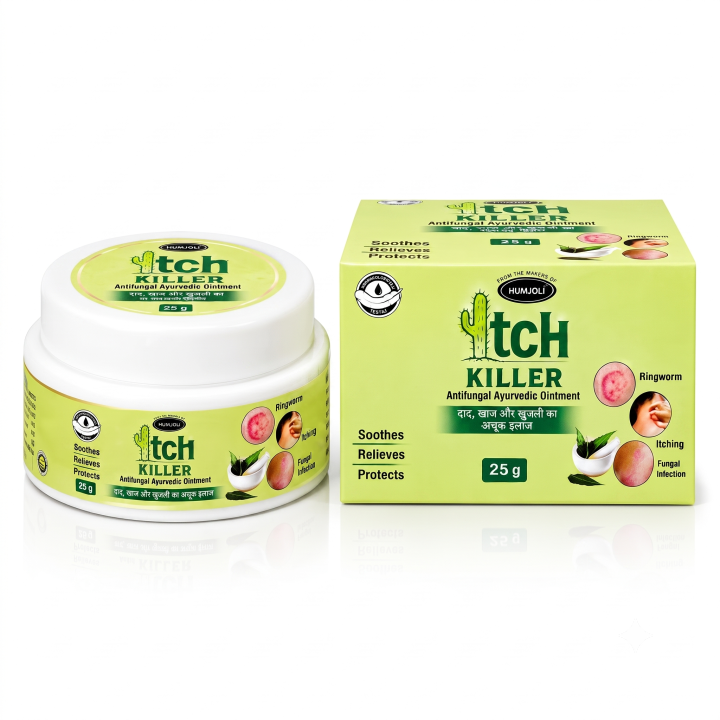
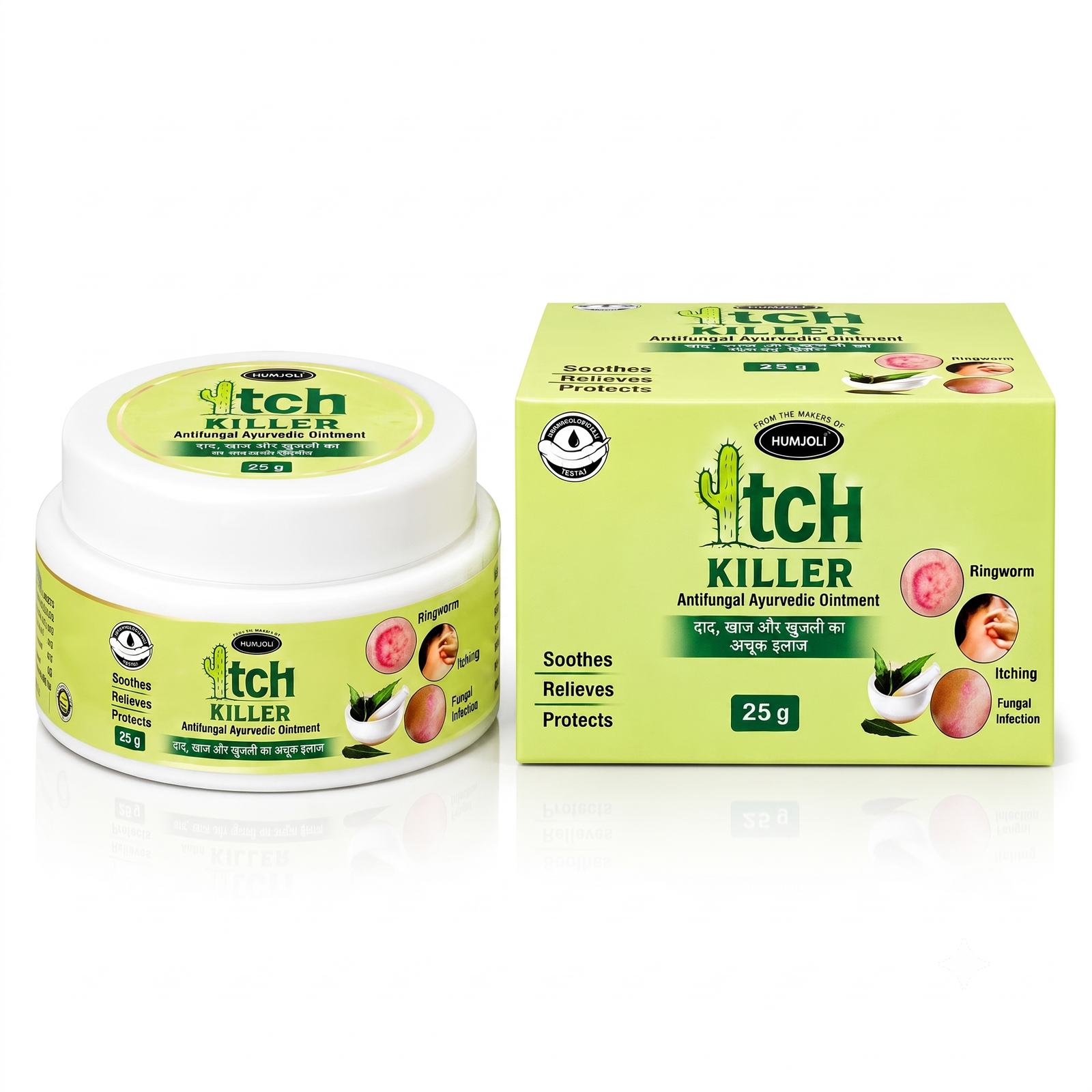
When managing minor skin irritations and localized discomfort, selecting appropriate topical care is helpful. Featured on our platform under the brand name HUMJOLI, Itch Killer is an ointment formulated to support skin comfort. Visitors exploring our catalog can navigate to the product page on medirevpharma.com to review detailed ingredient compositions, safety guidelines, and directions for use. Always consult a healthcare professional for personalized medical advice regarding persistent skin conditions.